End to end
One consignment, one chain of jobs
Cargo is inspected by one party, loaded under the eye of a second and received by a third. Each is a job in its own right, and each is handed to the next with the unit list already filled in — so nothing is typed twice and the last report can say what the first survey found.
The relay
Three phases, whichever way the cargo is going
On an export the site team inspect, a surveyor attends the loading and the port receives. On an import the same three happen in the other order. Whether the far end is a port, a border or a building site is the job’s location, not a different kind of job.
- 1
Inspect
Condition of each item before it moves, with photographs as evidence. The packing list is imported once and carries through everything that follows.
- 2
Attend the loading
Each package as it is hooked — hold or trailer number, the times it took, and whether the lashing was checked. The register is copied from the inspection, but the findings start empty: what this surveyor records is their own, so the two can be read against each other.
- 3
Deliver and receive
Either a delivery against the packing list with a signed proof of delivery, or a road convoy with an escort recording the journey. Arrived, unloaded, released — and demurrage stops at release.
In the office
Raise it, fill it, assign it
A job needs a reference, a client and a date; everything else can be added as you go. The packing list goes in once — typed, or imported from whatever spreadsheet the shipper sent, with ten rows shown to you before anything is committed.
- Import maps the columns for you, in any order
- Re-importing keeps the photographs already taken
- Office staff see everything; surveyors see their own
- Extend a job to its next phase from the same screen

Cargo inspections
Four kinds of attendance, one register carried between them
A cargo inspection records condition before the cargo moves. A site survey records what is present on site, item by item. A loading survey records each package as it is loaded. A site delivery records arrival, unloading and release against the packing list, with a signed receipt. Each is its own job with its own report, and each hands the unit list to the next.
- Condition per unit: sound, minor, damaged, severe, or not located
- Marks and numbers, Bayan number, location, dimensions and weight
- Photographs against the item, not in a folder beside it
- Packing list imported from the shipper’s own spreadsheet
- Progress is items actually recorded, not a percentage somebody typed
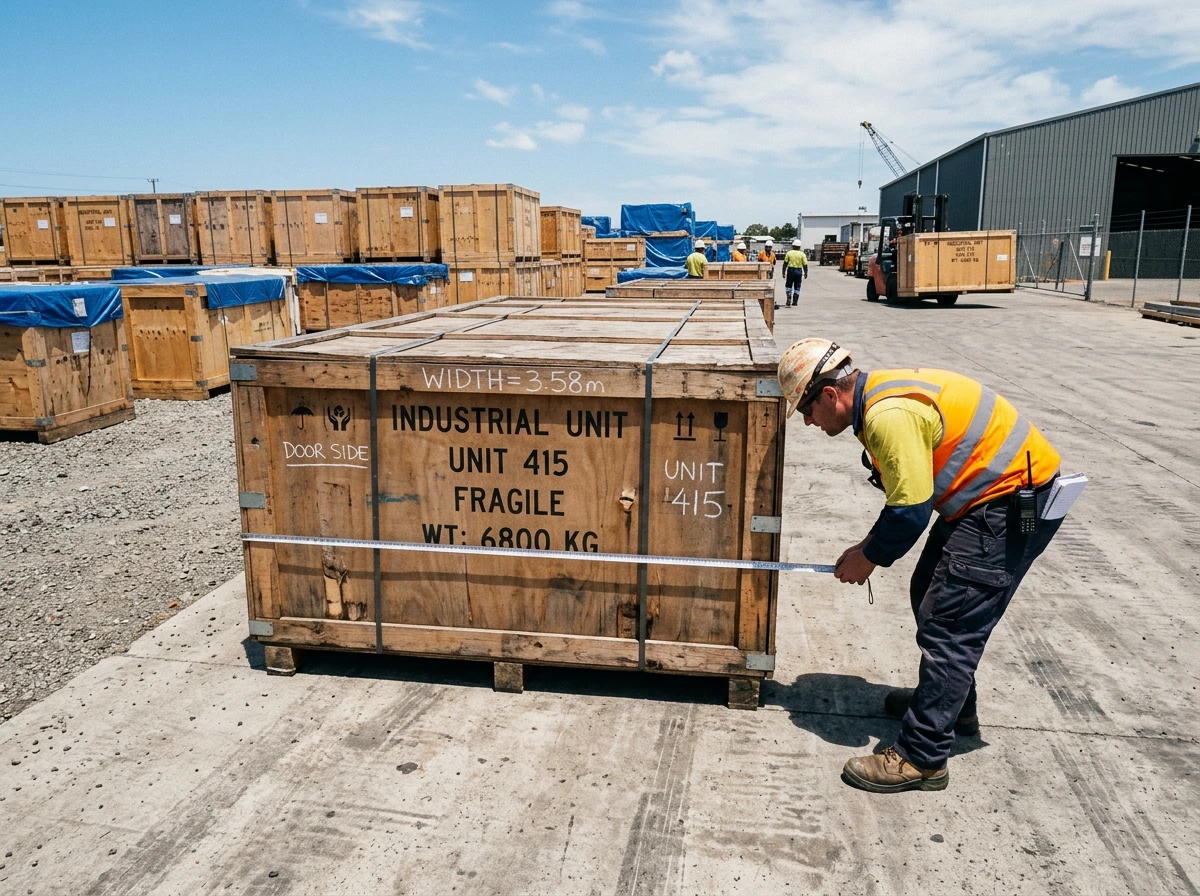
What a cargo job produces
The register
Every unit with its marks, its condition and its findings, in the columns your report template asks for — and in Excel, so the client can work in it.
The exceptions
Everything above sound, gathered on its own page, worst first. Followed by the items never presented and the items with no photograph, each in its own appendix.
The proof
On a delivery: arrival, unloading complete and trailer released, with a signature. Demurrage stops at release, and the report says when that was.
Route surveys
Every restriction between the port and the site, measured
A surveyor drives the route and drops a waypoint at anything that will matter on the day. Each kind asks for its own measurements — an overhead line asks for clearance height, voltage and the line owner; a bridge asks for its capacity — so nothing is recorded as a note that should have been a number.
- Nineteen waypoint kinds, from pinch points to level crossings
- Four severities: clear, caution, restricted, blocking
- Anything above clear becomes a works or permissions line
- Axle loads and longitudinal lashing calculated from the load
- A 5×5 risk matrix, banded low to extreme
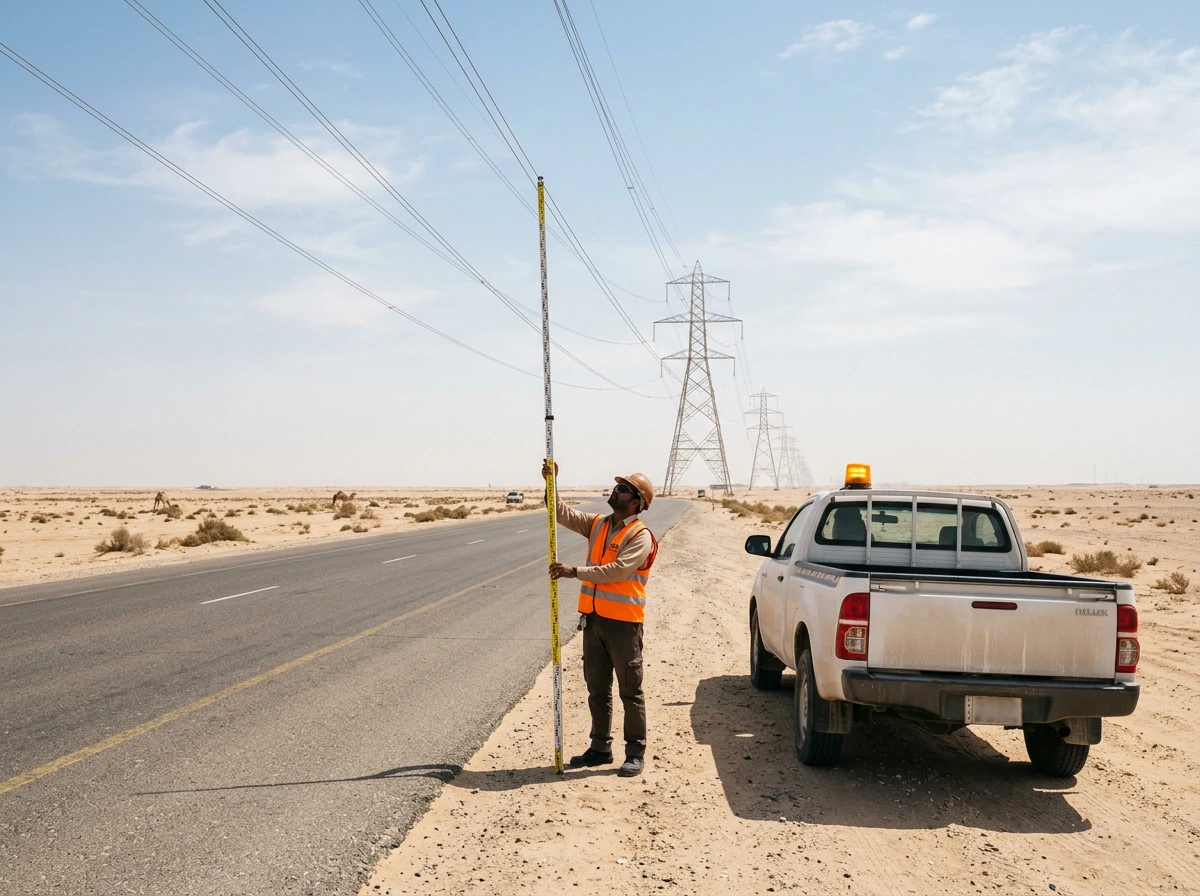
From an observation to somebody’s obligation
The point of a route survey is not the list of problems. It is the list of what must be done about them, and who has to agree to it.
- 1
Recorded on the road
With its measurements, its photographs and its position, as it is found.
- 2
Graded
Clear needs nothing. Caution is manageable on the day. Restricted needs mitigation. Blocking means the route is not passable as it stands.
- 3
Turned into a schedule
Works run identified → quoted → ordered → complete. Permissions run identified → applied for → granted. Both print in the report as tables somebody can work from.
- 4
Issued as a method statement
Scope, responsibilities, risks, the sequence of the move, and the works and permissions it depends on — its own document, built from the same survey.
Marine surveys
Eight kinds of attendance, each asking only for what it needs
Choosing the kind decides which panels appear. A draft survey wants six drafts and the deductibles and computes the cargo weight as you enter them. A hold condition survey wants a verdict per hold. A bunker survey wants soundings corrected to standard temperature. Neither is ever shown the other’s form.
- Draft survey · bunker and ROB · on-hire · off-hire
- Cargo damage · hold and hatch condition · discharge attendance · measurement
- The arithmetic is checked on the screen you enter it on
- Hydrostatics and tank calibrations held against the vessel, once
- Statement of facts, with delays attributed and totalled by cause
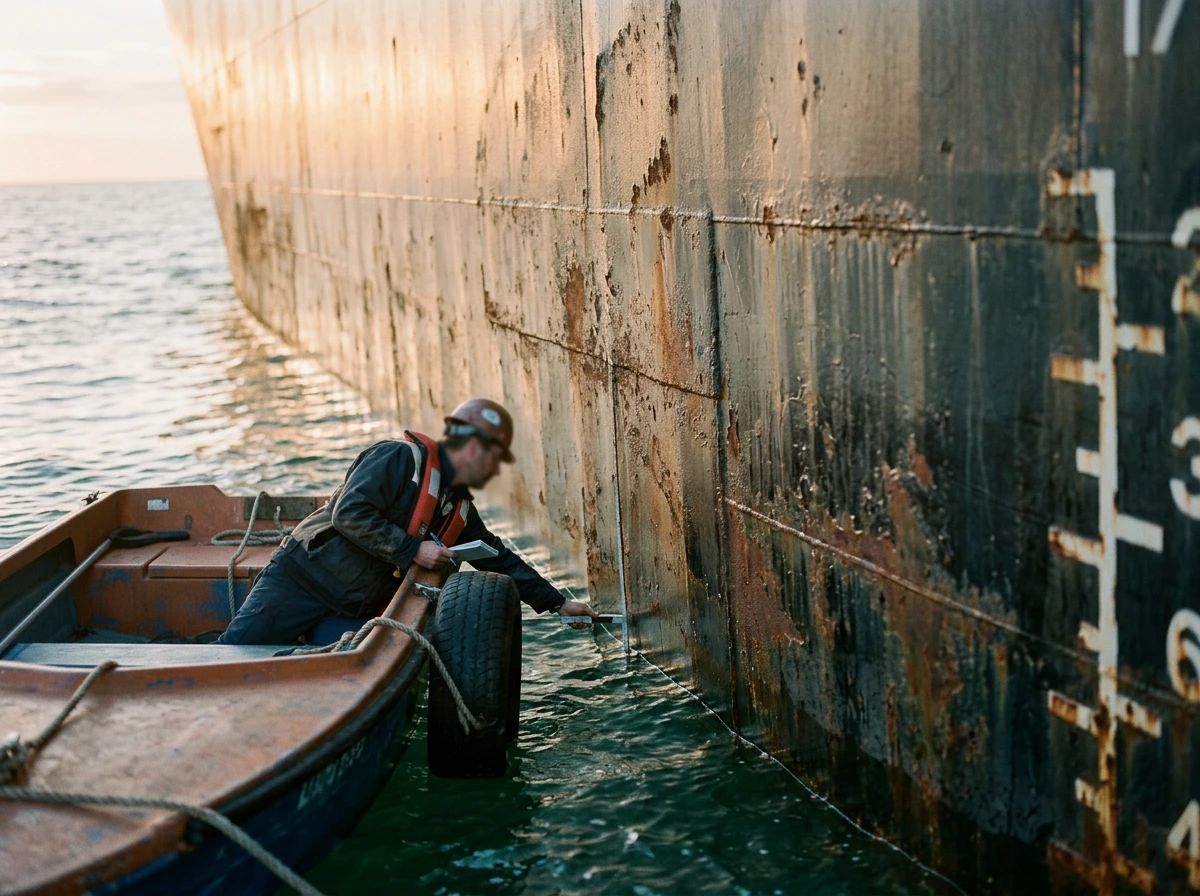
Why the arithmetic is done on board
A transposed figure is caught at the rail
Displacement, deductibles and the density correction are computed as they are entered — not that evening in the office, when going back on board is no longer an option.
The second attendance is quicker than the first
The vessel keeps its own hydrostatics and tank tables, so returning to the same ship does not mean re-entering them.
Time is evidence too
Fifteen standard events from arrival at anchorage to sailed, with delays put against weather, vessel, terminal or shipper — and totalled, because that total is what a demurrage argument turns on.
On the road
The leg nobody could record before
A convoy carries part of a job by road. Each driver is sent a link that opens straight onto their convoy — no account and no password — and it withdraws itself the moment the cargo is signed for. Borders, checkpoints, breakdowns and weather holds are recorded as they happen, and time lost is totalled by cause.
- One link per escort, and it expires on its own
- Every event carries whose shift it fell in
- A signed proof of delivery closes the convoy
- Per convoy, per day and consolidated reports
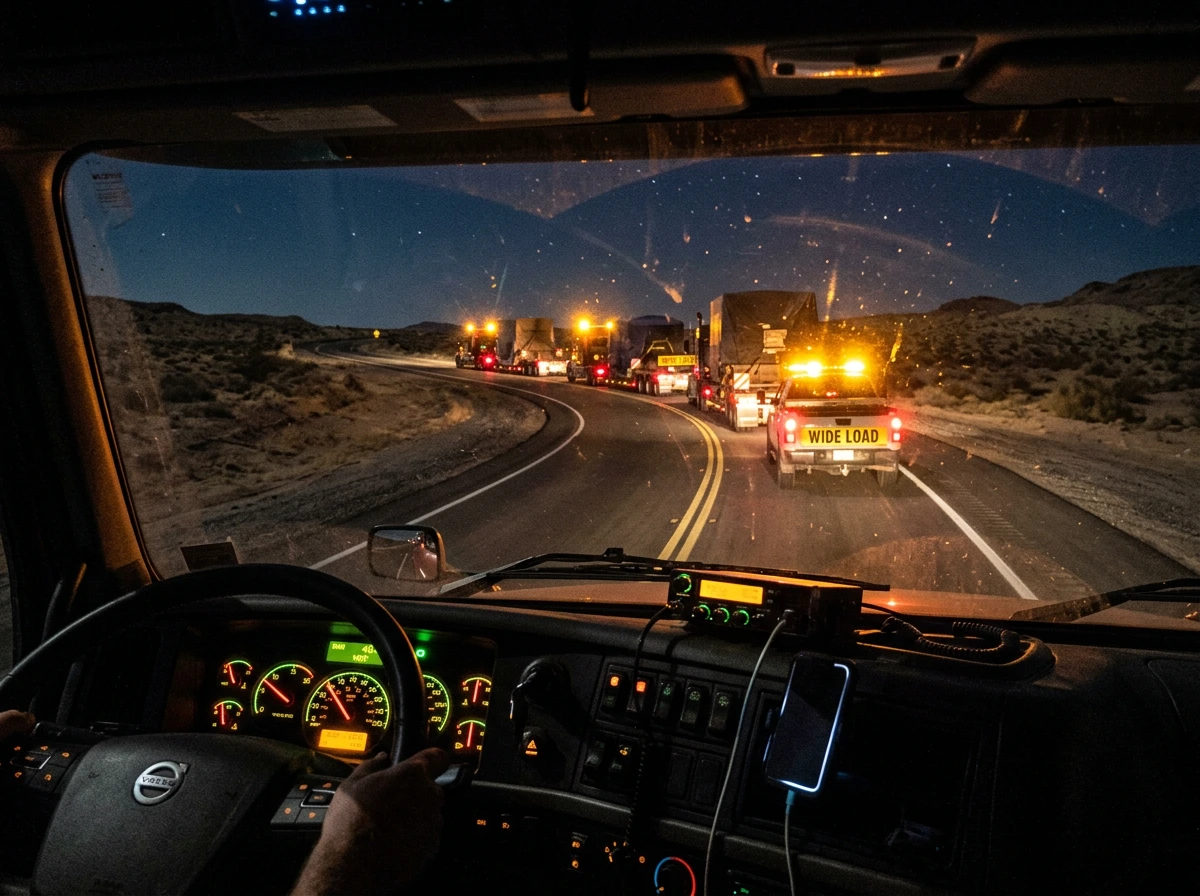
What comes out
Excel for their working, Word and PDF for the file
On your letterhead
Your logo, your address block, your standard clauses and your section order — set once, and overridable for a client who wants it their way.
The evidence, in full
Photographs are reproduced at the back at the size they are printed at, so the report stays small enough to email without losing what makes it evidence.
Honest about its limits
Items never reached and items with no photograph each get their own appendix. A report that quietly omits them is the one that fails in a dispute.
Half an hour, and one of your own jobs
We will run a packing list you have already worked through, in front of you.